Beyond the 9th Inning: My Hilarious Quest for Post-Game Glory (and Greasy Finger Food) in Korea
Alright, folks, buckle up, because if you thought the KBO experience ended when the final out was recorded, you've been living under a rock, or perhaps, more accurately, under a stadium seat. Welcome back to Part 4 of our grand KBO adventure, where we're finally venturing beyond the hallowed grounds of the ballpark. In previous installments, we navigated the ticket queues, mastered the art of the stadium chant, and probably embarrassed ourselves trying to catch a foul ball with a hot dog in one hand. But now, as of 2024, the real challenge begins: the post-game pilgrimage.
Look, I've always considered myself a strategic thinker. Give me a complex travel itinerary, a tricky subway transfer, or a particularly aggressive pigeon to outwit for my lunch, and I'm your guy. Yet, leaving a KBO game, especially a tight one, turns me into a frantic, slightly disoriented salmon swimming upstream. Thousands of euphoric (or despairing) fans all decide, simultaneously, that they *must* exit through the *exact same gate* at the *exact same second*. It's a beautiful, chaotic ballet, and I, naturally, am usually the one stepping on everyone's toes, muttering apologies in three languages, none of which are Korean. My first KBO post-game experience, back in 2017 after a particularly brutal Doosan Bears loss at Jamsil Baseball Stadium, involved me being swept along by a human tide for a good ten minutes before I even remembered where I'd parked my dignity, let alone my rental scooter. That's when the hunger hit, a primal, all-consuming beast born from emotional exhaustion and the sheer effort of yelling for nine innings. This, my friends, is where the *real* KBO culture truly shines.
The Post-Game Pilgrimage: Where the True Party Begins
So, you've staggered out of the stadium. Your throat is raw, your team either won gloriously or lost tragically, and your stomach is rumbling a symphony of regret and anticipation. What's next? Well, as of 2024, if you're in Korea, especially near any major KBO stadium, the answer is always, *always* food and drink. This isn't just about refueling; it's about processing. It's about sharing the agony or ecstasy with your fellow fans, often total strangers, over plates of something delicious and a frosty beverage.
Around stadiums like Seoul's Jamsil, Busan's Sajik, or Incheon's SSG Landers Field, you'll find entire districts that essentially transform into post-game celebratory (or commiseratory) zones. Imagine a high-octane culinary gauntlet, a delicious obstacle course where every turn offers a new temptation. The most iconic pairing, which has been a national obsession for decades, is the glorious combination of perfectly fried chicken and icy cold beer. You'll see restaurants specializing in this dish packed to the gills within minutes of a game ending. Picture this: me, elbow-deep in a bucket of crispy fried bird, surrounded by fans still wearing their team jerseys, replaying every questionable umpire call and heroic home run. It's a sensory overload, in the best possible way. Back in the early 2000s, this pairing was already ubiquitous, but the sheer variety and artistry of Korean fried chicken joints in 2024? That's next level. You can get it spicy, sweet, soy-garlic glazed - the options are endless.
But it's not just about chicken. Depending on the neighborhood, you might stumble into places serving up grilled beef or pork intestines, a savory, chewy delight that pairs surprisingly well with the local clear, potent distilled spirit, often rice-based. Or perhaps you'll find yourself at one of the countless street food tents, which are basically outdoor eateries, often covered by tarps, serving up everything from spicy rice cakes to fish cakes on skewers. My advice? Don't be shy. Dive in. Embrace the grease, the noise, the sheer exuberance. Honestly, I once tried to explain the concept of "pre-game meals" and "post-game meals" to a Korean friend, and he just looked at me blankly. "It's all one long game meal," he said, "with a baseball interlude." And you know what? He wasn't wrong.
Team Spirit, Local Flavor: Neighborhood Bars & Fan Hubs
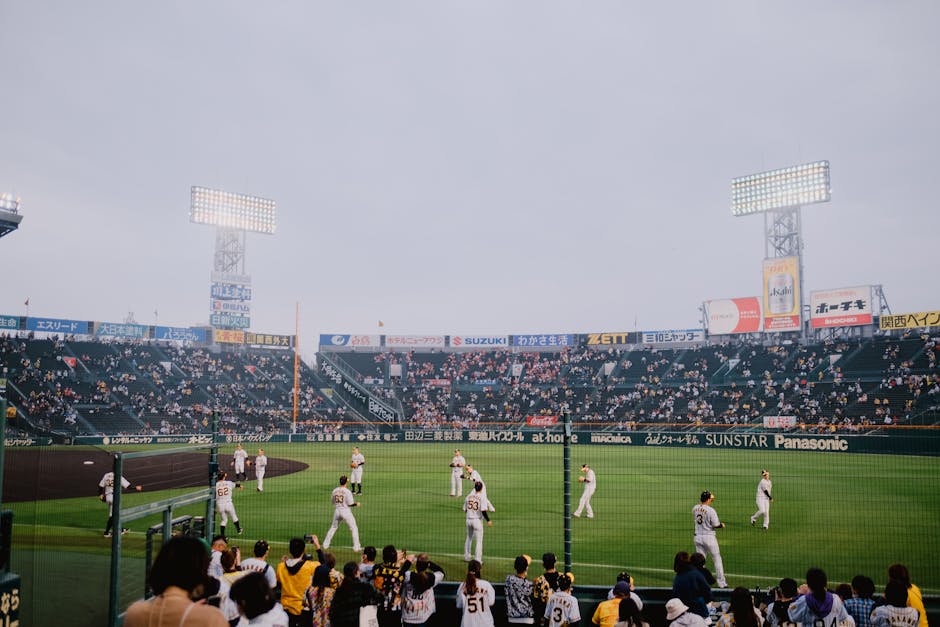
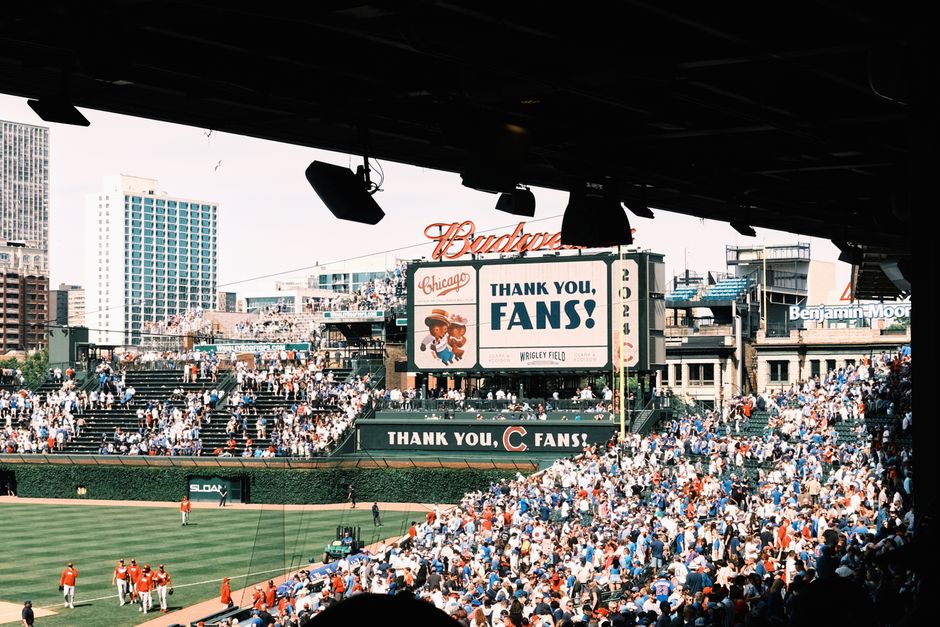

The stadium-adjacent chaos is one thing, but the true pulse of KBO fan culture often beats strongest in the neighborhood bars and dedicated fan hubs, even miles away from the roar of the crowd. These aren't always sprawling sports bars with 50 screens showing every game under the sun (though those exist too, particularly in Seoul). Often, they're smaller, more intimate establishments, sometimes plastered with team memorabilia, where the owner probably knows half the regulars by name and their preferred clear distilled spirit.
These spots are incredible, especially when an away game is being broadcast. While attending a game in person is an experience unlike any other, watching it with a group of passionate locals in a cozy bar is its own special kind of magic. I remember one scorching summer evening in 2023, tucked into a tiny place near Gwangalli Beach in Busan. My adopted team, the Lotte Giants, were playing an away game against the KT Wiz. The tension in that small room was palpable. Every strike, every foul tip, every single pitch was met with a collective gasp or groan. When the Giants finally hit a walk-off single in the bottom of the ninth, the eruption of cheers nearly blew the roof off the place. Strangers were high-fiving, buying each other rounds of that clear distilled spirit, and generally celebrating as if *they* had just hit the winning run. I, a bewildered foreigner who had just spent two hours trying to follow the game and failing spectacularly to pick up the local chants, found myself inexplicably part of this joyous, communal explosion. It's like being adopted by a very loud, very spirited family for an evening. That feeling of camaraderie, of shared passion, is what makes Korean baseball culture truly unique. It transcends language barriers and occasional linguistic confusion on my part.
These fan gatherings aren't just for game nights, either. Sometimes, even on off-days, you'll find groups discussing player stats, speculating on trades, or just generally basking in the glory (or lamenting the struggles) of their beloved team. In the 1990s, these discussions might have happened in smoky cafes; now, as of 2024, they're just as likely to be happening in stylish pubs or even online forums that spill over into real-world meetups.
Beyond the 9th Inning: Other Fan Interactions & Souvenirs
The KBO fan experience extends far beyond the final score, or even the last gulp of that delicious fried chicken and beer combo. It's a lifestyle, a commitment. And part of that commitment, naturally, involves merchandise. You've seen the sheer array of team gear *inside* the stadium, but venture out, and you'll find that the fan shops are everywhere. Department stores often have dedicated sections, and sometimes you'll find standalone stores entirely devoted to a specific team.
From jerseys (home, away, alternate, throwback - you name it) to caps, scarves, and those ridiculously fun cheering tools you wave around like a lunatic, the options are endless. I once spent an embarrassing amount of time in a Doosan Bears fan shop in 2022, trying to decide between two identical-looking caps. The sales assistant, bless her patient soul, just watched me with an amused smile. I think I eventually bought both, because, you know, options. It's not just about wearing your team's colors; it's about owning a piece of that collective identity. And believe it or not, the passion for collecting these items is still exactly the same today as it was back in the 1980s when the KBO first started - just with significantly more sophisticated designs and better quality fabrics.
What makes this post-game and off-field culture truly vibrant is how deeply it's woven into the fabric of daily life. It's not just a sport; it's a talking point, a social lubricant, and a source of immense pride. So, when you're planning your KBO travel guide, remember that the experience doesn't end when the scoreboard lights dim. It truly begins when you step out of the ballpark and into the pulsing heart of Korean baseball fandom. It's loud, it's delicious, it's communal, and it's utterly, hilariously unforgettable.
Next time, we'll dive even deeper, perhaps by attempting to interview a retired KBO legend, or maybe just figuring out which team has the best mascot. Who knows, I might even try to learn a full cheer without embarrassing myself. Wish me luck.
Look, I've always considered myself a strategic thinker. Give me a complex travel itinerary, a tricky subway transfer, or a particularly aggressive pigeon to outwit for my lunch, and I'm your guy. Yet, leaving a KBO game, especially a tight one, turns me into a frantic, slightly disoriented salmon swimming upstream. Thousands of euphoric (or despairing) fans all decide, simultaneously, that they *must* exit through the *exact same gate* at the *exact same second*. It's a beautiful, chaotic ballet, and I, naturally, am usually the one stepping on everyone's toes, muttering apologies in three languages, none of which are Korean. My first KBO post-game experience, back in 2017 after a particularly brutal Doosan Bears loss at Jamsil Baseball Stadium, involved me being swept along by a human tide for a good ten minutes before I even remembered where I'd parked my dignity, let alone my rental scooter. That's when the hunger hit, a primal, all-consuming beast born from emotional exhaustion and the sheer effort of yelling for nine innings. This, my friends, is where the *real* KBO culture truly shines.
The Post-Game Pilgrimage: Where the True Party Begins
So, you've staggered out of the stadium. Your throat is raw, your team either won gloriously or lost tragically, and your stomach is rumbling a symphony of regret and anticipation. What's next? Well, as of 2024, if you're in Korea, especially near any major KBO stadium, the answer is always, *always* food and drink. This isn't just about refueling; it's about processing. It's about sharing the agony or ecstasy with your fellow fans, often total strangers, over plates of something delicious and a frosty beverage.
Around stadiums like Seoul's Jamsil, Busan's Sajik, or Incheon's SSG Landers Field, you'll find entire districts that essentially transform into post-game celebratory (or commiseratory) zones. Imagine a high-octane culinary gauntlet, a delicious obstacle course where every turn offers a new temptation. The most iconic pairing, which has been a national obsession for decades, is the glorious combination of perfectly fried chicken and icy cold beer. You'll see restaurants specializing in this dish packed to the gills within minutes of a game ending. Picture this: me, elbow-deep in a bucket of crispy fried bird, surrounded by fans still wearing their team jerseys, replaying every questionable umpire call and heroic home run. It's a sensory overload, in the best possible way. Back in the early 2000s, this pairing was already ubiquitous, but the sheer variety and artistry of Korean fried chicken joints in 2024? That's next level. You can get it spicy, sweet, soy-garlic glazed - the options are endless.
But it's not just about chicken. Depending on the neighborhood, you might stumble into places serving up grilled beef or pork intestines, a savory, chewy delight that pairs surprisingly well with the local clear, potent distilled spirit, often rice-based. Or perhaps you'll find yourself at one of the countless street food tents, which are basically outdoor eateries, often covered by tarps, serving up everything from spicy rice cakes to fish cakes on skewers. My advice? Don't be shy. Dive in. Embrace the grease, the noise, the sheer exuberance. Honestly, I once tried to explain the concept of "pre-game meals" and "post-game meals" to a Korean friend, and he just looked at me blankly. "It's all one long game meal," he said, "with a baseball interlude." And you know what? He wasn't wrong.
Team Spirit, Local Flavor: Neighborhood Bars & Fan Hubs
The stadium-adjacent chaos is one thing, but the true pulse of KBO fan culture often beats strongest in the neighborhood bars and dedicated fan hubs, even miles away from the roar of the crowd. These aren't always sprawling sports bars with 50 screens showing every game under the sun (though those exist too, particularly in Seoul). Often, they're smaller, more intimate establishments, sometimes plastered with team memorabilia, where the owner probably knows half the regulars by name and their preferred clear distilled spirit.
These spots are incredible, especially when an away game is being broadcast. While attending a game in person is an experience unlike any other, watching it with a group of passionate locals in a cozy bar is its own special kind of magic. I remember one scorching summer evening in 2023, tucked into a tiny place near Gwangalli Beach in Busan. My adopted team, the Lotte Giants, were playing an away game against the KT Wiz. The tension in that small room was palpable. Every strike, every foul tip, every single pitch was met with a collective gasp or groan. When the Giants finally hit a walk-off single in the bottom of the ninth, the eruption of cheers nearly blew the roof off the place. Strangers were high-fiving, buying each other rounds of that clear distilled spirit, and generally celebrating as if *they* had just hit the winning run. I, a bewildered foreigner who had just spent two hours trying to follow the game and failing spectacularly to pick up the local chants, found myself inexplicably part of this joyous, communal explosion. It's like being adopted by a very loud, very spirited family for an evening. That feeling of camaraderie, of shared passion, is what makes Korean baseball culture truly unique. It transcends language barriers and occasional linguistic confusion on my part.
These fan gatherings aren't just for game nights, either. Sometimes, even on off-days, you'll find groups discussing player stats, speculating on trades, or just generally basking in the glory (or lamenting the struggles) of their beloved team. In the 1990s, these discussions might have happened in smoky cafes; now, as of 2024, they're just as likely to be happening in stylish pubs or even online forums that spill over into real-world meetups.
Beyond the 9th Inning: Other Fan Interactions & Souvenirs
The KBO fan experience extends far beyond the final score, or even the last gulp of that delicious fried chicken and beer combo. It's a lifestyle, a commitment. And part of that commitment, naturally, involves merchandise. You've seen the sheer array of team gear *inside* the stadium, but venture out, and you'll find that the fan shops are everywhere. Department stores often have dedicated sections, and sometimes you'll find standalone stores entirely devoted to a specific team.
From jerseys (home, away, alternate, throwback - you name it) to caps, scarves, and those ridiculously fun cheering tools you wave around like a lunatic, the options are endless. I once spent an embarrassing amount of time in a Doosan Bears fan shop in 2022, trying to decide between two identical-looking caps. The sales assistant, bless her patient soul, just watched me with an amused smile. I think I eventually bought both, because, you know, options. It's not just about wearing your team's colors; it's about owning a piece of that collective identity. And believe it or not, the passion for collecting these items is still exactly the same today as it was back in the 1980s when the KBO first started - just with significantly more sophisticated designs and better quality fabrics.
What makes this post-game and off-field culture truly vibrant is how deeply it's woven into the fabric of daily life. It's not just a sport; it's a talking point, a social lubricant, and a source of immense pride. So, when you're planning your KBO travel guide, remember that the experience doesn't end when the scoreboard lights dim. It truly begins when you step out of the ballpark and into the pulsing heart of Korean baseball fandom. It's loud, it's delicious, it's communal, and it's utterly, hilariously unforgettable.
Next time, we'll dive even deeper, perhaps by attempting to interview a retired KBO legend, or maybe just figuring out which team has the best mascot. Who knows, I might even try to learn a full cheer without embarrassing myself. Wish me luck.
Comments
Post a Comment