My Quest for Gold (and Not Getting Lost in a K-Pop Mosh Pit): Unearthing Seoul's 1988 Olympic Hidden Gems
Alright, so you've seen the big names, the concrete behemoths, the kind of stadiums that make you feel like a tiny ant observing a particularly ambitious anthill. If you've been following my previous ramblings, you know we've already covered the grand Olympic Park and the Jamsil Sports Complex - the absolute headliners of Seoul's 1988 Games. Those places are magnificent, don't get me wrong. They're like the star athletes, the Usain Bolts and Michael Phelpses of Olympic real estate. But what about the unsung heroes? The venues that, while equally crucial to the success of the Games, often get relegated to the 'Oh, *that* place?' category by your average traveler, who is probably more focused on finding the nearest street food stall (and honestly, who can blame them?).
Today, we're digging deeper. We're going beyond the main arenas, past the iconic gates, and into the nooks and crannies of Seoul's enduring Olympic legacy. Because, let's be honest, a city like Seoul doesn't just build a stadium and call it a day. Oh no, this is a city that takes a foundational event like the Olympics and then, with the strategic cunning of a chess grandmaster, repurposes, revitalizes, and reinvents everything in its wake. It's like watching a caterpillar turn into a particularly flashy, K-Pop-loving butterfly. And let me tell you, that metamorphosis is sometimes even more impressive than the original event. So, strap in, because we're about to explore the hidden gems and future visions born from those glorious days in 1988. Just try not to trip over any metaphorical gymnastics mats on the way. My own spatial awareness, for the record, is roughly on par with a particularly confused pigeon in a revolving door. So, if I can find these spots, anyone can.
From Vaults to Vocals: The KSPO Dome's K-Pop Encore
First up, let's talk about a place that has seen more synchronized waving than a particularly enthusiastic political rally: the KSPO Dome, originally known as the Olympic Gymnastics Arena. Back in 1988, this place was all about gravity-defying flips, elegant routines, and the kind of athleticism that would make my sedentary self spontaneously combust. It was built in 1986, a gleaming testament to precision and power, and during the '88 Games, it hosted the men's and women's gymnastics, rhythmic gymnastics, and trampolining events. It saw legends make history, and probably a few bewildered judges trying to decipher exactly what was happening during some of the more avant-garde floor routines.
Fast forward to, let's say, 2024. What's it now? Well, if you've been within a kilometer of a functioning WiFi signal in the last decade, you'll know it's the undisputed Mecca for K-Pop concerts. Seriously, it feels like every major K-Pop group, from the titans to the rising stars, has graced its stage. The sound quality, the sheer capacity, the way it just swallows tens of thousands of screaming fans - it's perfect. I remember going there for a concert once, years ago, back around 2017, completely unprepared for the sheer, unadulterated energy. I'd expected a crowd, sure, but not a tidal wave of synchronized light sticks and a decibel level that could probably shatter glass. I stood there, a bewildered salmon swimming upstream in a river of glitter and screams, thinking, "Was this what they meant by 'vaulting ambition' back in '88?" The transformation from a venue of athletic discipline to a temple of pop music fanaticism is just staggering. It's still part of Olympic Park, yes, but its identity has shifted so dramatically, it's practically a different entity. And honestly, it's brilliant. The spirit of performance lives on, just with more elaborate outfits and significantly fewer leotards.
Where Weights Were Lifted, Art Now Lifts Spirits: The Woori Art Hall and Mokdong's Enduring Ice
Right next door, within the very same Olympic Park, we have another fantastic example of urban alchemy: the Woori Art Hall. In 1988, this was the Olympic Weightlifting Gymnasium. Imagine the scene: massive barbells, strained grunts, muscles bulging under the unforgiving glare of the lights, and the kind of intense focus that could probably bend spoons. It was a place of raw power and Herculean effort. Today? Not so much with the grunting. As of, say, 2023, it's a celebrated venue for musicals, plays, and even children's performances. The clanking of iron has been replaced by orchestral swells and the dramatic pronouncements of actors. It's genuinely quite poetic, isn't it? From hoisting staggering amounts of metal to lifting the spirits of an audience with a well-timed song. I mean, my own weightlifting routine typically involves lifting a large pizza box, so I can appreciate the shift in priorities. It just goes to show you that a good structure, like a good joke, can have multiple punchlines.
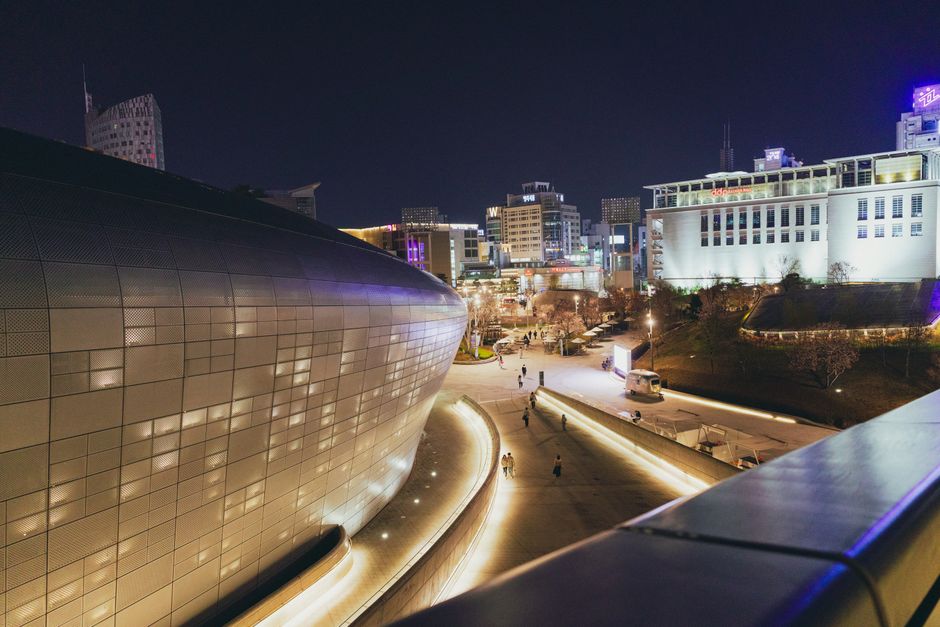


Now, let's venture a little further afield, beyond the immediate Olympic Park bubble, to a spot that still serves a very similar function to its Olympic days but with a decidedly modern twist: Mokdong Ice Rink. This venue, built specifically for the 1988 Games, played host to the elegant twirls of figure skating and the lightning-fast sprints of short track speed skating. It was a place of grace and blistering speed, where blades met ice in a symphony of frozen artistry. And believe it or not, as of 2024, it's *still* an active ice rink. It's not some abandoned relic; it's a buzzing hub. During the day, it's often open to the public for recreational skating, where you can witness people like myself attempting to defy gravity with the grace of a startled giraffe. My own attempts at ice skating, bless their cotton socks, typically involve more flailing than gliding. I'm pretty sure if I'd competed in 1988, they would've invented a new category: "Artistic Interpretation of a Falling Brick." But come evenings or weekends, it often transforms, hosting minor sports events, local competitions, and occasionally, even smaller-scale fan meetings for K-Pop idols. It's a fantastic example of a specialized venue that not only survived but thrived, adapting to the evolving needs of the city while maintaining its core purpose. Ever wondered where Olympic ice still gets its glide on, outside of a museum? This is one of those places.
The Han River's Green Legacy: From Marathon Routes to Urban Oases
Finally, let's talk about something that isn't a building at all, but perhaps the biggest and most enduring legacy of the 1988 Olympics: the Han River. This majestic waterway, cutting right through the heart of Seoul, wasn't just a scenic backdrop. In 1988, sections of it were integral to the marathon course, and near Ttukseom, it hosted the rowing and canoeing sprint events. It was a functional, albeit beautiful, part of the Olympic tapestry. But its long-term impact on Seoul's urban development? That's the real gold medal.
Before the Olympics, the Han River, while important, wasn't the vibrant recreational hub it is today. The push to present a modern, beautiful Seoul to the world for the Games spurred massive infrastructure development along its banks. Bridges were built or renovated, public access improved, and a general awareness of the river's potential as a public amenity began to solidify. Fast forward to now, and the Han River Parks are, without exaggeration, the lungs of Seoul. As of 2024, these sprawling green spaces offer everything from cycling paths (where I once attempted to recreate a romantic K-drama picnic, only for the wind to have other plans for my meticulously arranged kimbap, leading to me chasing runaway napkins rather than contemplating Olympic history) and jogging trails to cafes, performance stages, and even ferry rides. It's where Seoulites go to unwind, exercise, socialize, and simply breathe.
Honestly, it's wild to think that the impetus for this incredible urban revitalization, this future vision of a green, accessible city, was partly fueled by an international sporting event decades ago. The Han River's transformation isn't just a venue repurposing; it's an entire urban philosophy evolving. It's proof that sometimes, the biggest Olympic legacy isn't a medal count, but the way a city decides to live with itself and its natural assets. The modern Han River area perfectly embodies the "future visions" aspect of Seoul's Olympic journey - an ongoing commitment to urban wellness and sustainable living that the Games helped kickstart.
So, there you have it. Beyond the colossal stadiums and the flame that burned so brightly, Seoul's 1988 Olympic legacy is woven into the very fabric of the city in countless, often surprising, ways. From K-Pop palaces to art halls and the sprawling green embrace of the Han River, these venues and spaces have not just survived but thrived, constantly reinventing themselves with a uniquely Korean blend of pragmatism and panache. It's a testament to a city that doesn't just rest on its laurels but actively cultivates new life from its history.
But we're not done yet. Next time, we'll dive into another fascinating facet of Seoul's Olympic journey: the post-Games life of the Olympic Village itself, and how this unique residential complex shaped an entire neighborhood. We'll talk architecture, community, and probably my completely unfounded theories on why every Korean apartment building seems to have the world's most intimidating security gates.
Today, we're digging deeper. We're going beyond the main arenas, past the iconic gates, and into the nooks and crannies of Seoul's enduring Olympic legacy. Because, let's be honest, a city like Seoul doesn't just build a stadium and call it a day. Oh no, this is a city that takes a foundational event like the Olympics and then, with the strategic cunning of a chess grandmaster, repurposes, revitalizes, and reinvents everything in its wake. It's like watching a caterpillar turn into a particularly flashy, K-Pop-loving butterfly. And let me tell you, that metamorphosis is sometimes even more impressive than the original event. So, strap in, because we're about to explore the hidden gems and future visions born from those glorious days in 1988. Just try not to trip over any metaphorical gymnastics mats on the way. My own spatial awareness, for the record, is roughly on par with a particularly confused pigeon in a revolving door. So, if I can find these spots, anyone can.
From Vaults to Vocals: The KSPO Dome's K-Pop Encore
First up, let's talk about a place that has seen more synchronized waving than a particularly enthusiastic political rally: the KSPO Dome, originally known as the Olympic Gymnastics Arena. Back in 1988, this place was all about gravity-defying flips, elegant routines, and the kind of athleticism that would make my sedentary self spontaneously combust. It was built in 1986, a gleaming testament to precision and power, and during the '88 Games, it hosted the men's and women's gymnastics, rhythmic gymnastics, and trampolining events. It saw legends make history, and probably a few bewildered judges trying to decipher exactly what was happening during some of the more avant-garde floor routines.
Fast forward to, let's say, 2024. What's it now? Well, if you've been within a kilometer of a functioning WiFi signal in the last decade, you'll know it's the undisputed Mecca for K-Pop concerts. Seriously, it feels like every major K-Pop group, from the titans to the rising stars, has graced its stage. The sound quality, the sheer capacity, the way it just swallows tens of thousands of screaming fans - it's perfect. I remember going there for a concert once, years ago, back around 2017, completely unprepared for the sheer, unadulterated energy. I'd expected a crowd, sure, but not a tidal wave of synchronized light sticks and a decibel level that could probably shatter glass. I stood there, a bewildered salmon swimming upstream in a river of glitter and screams, thinking, "Was this what they meant by 'vaulting ambition' back in '88?" The transformation from a venue of athletic discipline to a temple of pop music fanaticism is just staggering. It's still part of Olympic Park, yes, but its identity has shifted so dramatically, it's practically a different entity. And honestly, it's brilliant. The spirit of performance lives on, just with more elaborate outfits and significantly fewer leotards.
Where Weights Were Lifted, Art Now Lifts Spirits: The Woori Art Hall and Mokdong's Enduring Ice
Right next door, within the very same Olympic Park, we have another fantastic example of urban alchemy: the Woori Art Hall. In 1988, this was the Olympic Weightlifting Gymnasium. Imagine the scene: massive barbells, strained grunts, muscles bulging under the unforgiving glare of the lights, and the kind of intense focus that could probably bend spoons. It was a place of raw power and Herculean effort. Today? Not so much with the grunting. As of, say, 2023, it's a celebrated venue for musicals, plays, and even children's performances. The clanking of iron has been replaced by orchestral swells and the dramatic pronouncements of actors. It's genuinely quite poetic, isn't it? From hoisting staggering amounts of metal to lifting the spirits of an audience with a well-timed song. I mean, my own weightlifting routine typically involves lifting a large pizza box, so I can appreciate the shift in priorities. It just goes to show you that a good structure, like a good joke, can have multiple punchlines.
Now, let's venture a little further afield, beyond the immediate Olympic Park bubble, to a spot that still serves a very similar function to its Olympic days but with a decidedly modern twist: Mokdong Ice Rink. This venue, built specifically for the 1988 Games, played host to the elegant twirls of figure skating and the lightning-fast sprints of short track speed skating. It was a place of grace and blistering speed, where blades met ice in a symphony of frozen artistry. And believe it or not, as of 2024, it's *still* an active ice rink. It's not some abandoned relic; it's a buzzing hub. During the day, it's often open to the public for recreational skating, where you can witness people like myself attempting to defy gravity with the grace of a startled giraffe. My own attempts at ice skating, bless their cotton socks, typically involve more flailing than gliding. I'm pretty sure if I'd competed in 1988, they would've invented a new category: "Artistic Interpretation of a Falling Brick." But come evenings or weekends, it often transforms, hosting minor sports events, local competitions, and occasionally, even smaller-scale fan meetings for K-Pop idols. It's a fantastic example of a specialized venue that not only survived but thrived, adapting to the evolving needs of the city while maintaining its core purpose. Ever wondered where Olympic ice still gets its glide on, outside of a museum? This is one of those places.
The Han River's Green Legacy: From Marathon Routes to Urban Oases
Finally, let's talk about something that isn't a building at all, but perhaps the biggest and most enduring legacy of the 1988 Olympics: the Han River. This majestic waterway, cutting right through the heart of Seoul, wasn't just a scenic backdrop. In 1988, sections of it were integral to the marathon course, and near Ttukseom, it hosted the rowing and canoeing sprint events. It was a functional, albeit beautiful, part of the Olympic tapestry. But its long-term impact on Seoul's urban development? That's the real gold medal.
Before the Olympics, the Han River, while important, wasn't the vibrant recreational hub it is today. The push to present a modern, beautiful Seoul to the world for the Games spurred massive infrastructure development along its banks. Bridges were built or renovated, public access improved, and a general awareness of the river's potential as a public amenity began to solidify. Fast forward to now, and the Han River Parks are, without exaggeration, the lungs of Seoul. As of 2024, these sprawling green spaces offer everything from cycling paths (where I once attempted to recreate a romantic K-drama picnic, only for the wind to have other plans for my meticulously arranged kimbap, leading to me chasing runaway napkins rather than contemplating Olympic history) and jogging trails to cafes, performance stages, and even ferry rides. It's where Seoulites go to unwind, exercise, socialize, and simply breathe.
Honestly, it's wild to think that the impetus for this incredible urban revitalization, this future vision of a green, accessible city, was partly fueled by an international sporting event decades ago. The Han River's transformation isn't just a venue repurposing; it's an entire urban philosophy evolving. It's proof that sometimes, the biggest Olympic legacy isn't a medal count, but the way a city decides to live with itself and its natural assets. The modern Han River area perfectly embodies the "future visions" aspect of Seoul's Olympic journey - an ongoing commitment to urban wellness and sustainable living that the Games helped kickstart.
So, there you have it. Beyond the colossal stadiums and the flame that burned so brightly, Seoul's 1988 Olympic legacy is woven into the very fabric of the city in countless, often surprising, ways. From K-Pop palaces to art halls and the sprawling green embrace of the Han River, these venues and spaces have not just survived but thrived, constantly reinventing themselves with a uniquely Korean blend of pragmatism and panache. It's a testament to a city that doesn't just rest on its laurels but actively cultivates new life from its history.
But we're not done yet. Next time, we'll dive into another fascinating facet of Seoul's Olympic journey: the post-Games life of the Olympic Village itself, and how this unique residential complex shaped an entire neighborhood. We'll talk architecture, community, and probably my completely unfounded theories on why every Korean apartment building seems to have the world's most intimidating security gates.


Comments
Post a Comment