My Quest for KBO Culinary Gold (and Not Spilling It on My New Shirt): A Guide to Korea's Baseball Stadium Feasts and Fanaticism, Part 2
Alright, folks. If you're anything like me, after reading Part 1 of this epic saga on experiencing KBO games (which I'm assuming you did, because, come on, my writing is *that* captivating), you're probably already practicing your synchronized cheers in front of a mirror and trying to figure out if you can smuggle a full-sized drum onto a plane. Good for you. But hold your horses, because while the roar of the crowd and the sheer spectacle of Korean baseball is enough to give you goosebumps, we've barely scratched the surface of what makes a KBO game a truly unforgettable travel experience. Today, we're diving headfirst, much like I once dove for a foul ball (and spectacularly missed, landing squarely in a tray of someone's fried chicken), into the glorious, chaotic, and utterly essential realms of stadium eats and fan traditions.
Because let's be real, watching baseball without food is like trying to enjoy a comedy show without any jokes - utterly pointless and mildly depressing. And in Korea, the food scene at a KBO stadium isn't just good; it's an entire gastronomic ecosystem, a culinary obstacle course designed by a particularly sadistic game show host who wants to see if you can eat delicious, messy food while simultaneously screaming at the top of your lungs. And then there are the fans. Oh, the fans. They're not just spectators; they're an army, a perfectly choreographed, meticulously organized, and delightfully unhinged force of nature. If you thought you knew what "fanatical" meant, you haven't been to a KBO game. Seriously, my first time, I thought I'd accidentally walked into a highly organized cult meeting, only with more fried chicken and less existential dread. (Though, to be fair, losing by a run in the ninth can certainly induce some existential dread.)
The Gastronomic Gauntlet: Conquering the KBO Food Scene
Here's the thing: you do not simply *eat* at a KBO game; you embark on a quest. A delicious, grease-stained quest. As of 2024, the variety of food available at any major KBO stadium, especially in Seoul like Jamsil, would make your average American ballpark look like a sad, lonely hot dog stand. And yes, I'm saying that as someone who once considered a stadium pretzel a gourmet experience. Shame on me, I know.
First things first: the undisputed king, the reigning champion of KBO stadium food, is fried chicken and beer. Or as the locals famously call it, "chimaek" (chicken and maekju, which is beer, for those keeping score at home). You can find vendors inside, but the real genius move, which has been a glorious tradition for decades, is to order it for delivery to your seat. Yes, you read that right. As of the early 2010s, this became a widespread practice, and it's still going strong. Imagine: you're watching the game, craving some crispy goodness, and a scooter-riding delivery person brings your bucket of joy right to your section. It's like magic, but with more sauce. My personal record for ordering chimaek and having it arrive at my seat at Jamsil was an astounding 12 minutes back in 2019. I actually gave the delivery driver a standing ovation. He looked confused, but I felt it was deserved.
But it doesn't stop at chimaek. Oh no, my friends. We're talking kimbap (seaweed rice rolls), tteokbokki (spicy rice cakes), hot dogs (sometimes wrapped in glorious cheese or fried potato), and an endless array of street food staples like sundae (Korean blood sausage, which, trust me, is not what you think) and eomuk (fish cakes). Many stadiums, particularly the newer ones built in the last decade, even boast mini food courts with full-fledged restaurants, offering everything from Korean BBQ bowls to pasta. It's glorious. Honestly, trying to decide what to eat can be more exhausting than the game itself. One time, I got so overwhelmed by the choices, I ended up buying a giant bag of roasted squid and a corn dog. Not together, mind you. Though, now that I think about it, that sounds like a dare I might actually accept.
And get this: unlike many places in the world where you're practically frisked for a rogue granola bar, KBO stadiums, as of 2024, generally allow you to bring in your own food and non-alcoholic drinks (usually in plastic bottles, no glass). This means you can hit up a nearby convenience store before the game and load up on snacks, instant noodles, or even a full picnic spread. It's brilliant. It's democratic. It's also why my backpack usually weighs about 30 pounds by the time I get to my seat, because my eyes are definitely bigger than my stomach, and I have a deep-seated fear of mid-game hunger pangs. So, when you plan your KBO adventure, plan your stomach's adventure too. It's half the fun.
More Than Just Noise: Decoding KBO Fan Traditions
Now, let's talk about the fans. If you've ever been to a sporting event anywhere else, you'll know that noise is a factor. But KBO takes noise, organizes it, choreographs it, and weaponizes it into an art form. This isn't just random yelling; this is orchestrated pandemonium, and it's been that way since the KBO's inception in the early 1980s, evolving into the magnificent beast it is today.
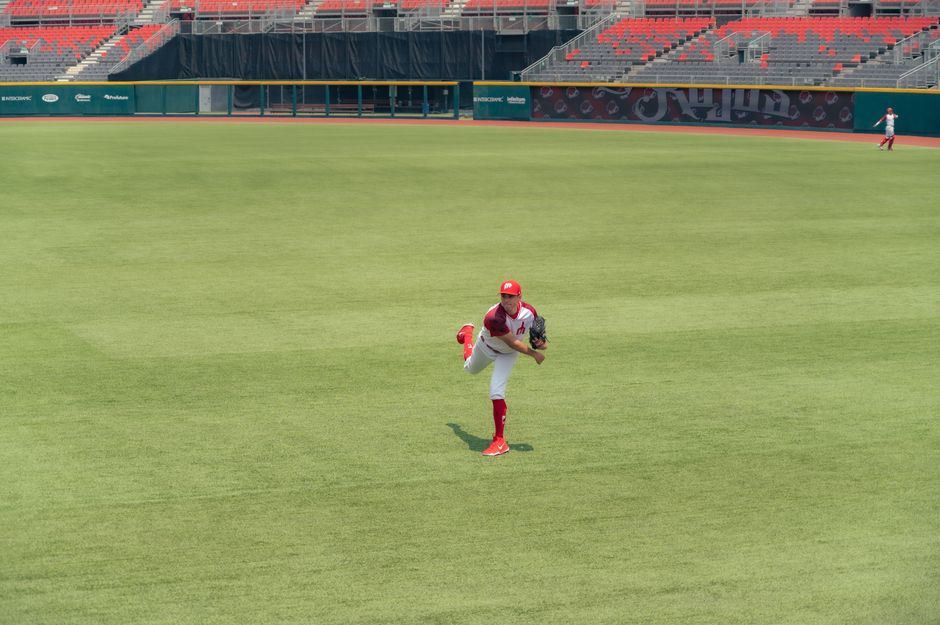


Each team has a dedicated cheering section, complete with professional cheerleaders (yes, even for the men's baseball teams, and they are phenomenal athletes themselves) and a lead cheerleader/hype man who stands on a platform, mic in hand, directing the entire stadium. Every single player has their own unique walk-up song and accompanying chant. You don't just cheer "Go Team!" You learn the individual, often intricate, chants for Lee Jung-hoo, for Kim Hye-seong, for whoever's at the plate. It's like a pop concert, a soccer match, and a Broadway show all rolled into one, and you're expected to participate.
My first KBO game, I was completely unprepared. I knew nothing of the chants, the plastic clappers, the sheer, unadulterated *energy*. I was sitting in the Lotte Giants section (the Lotte fans are legendary, some would say borderline insane, in the best possible way), and suddenly, everyone around me pulled out orange plastic bags, blew into them, tied them off, and started banging them together in unison. It was like a sudden, citrus-scented percussive flash mob. I was utterly bewildered, slightly terrified, and completely captivated. I looked around, spotted a kind-looking gentleman, and pantomimed "What... is... happening?" He just laughed, handed me an extra bag, and gestured for me to join in. Within minutes, I was a convert, enthusiastically banging my orange bag like my life depended on it. It's an experience that perfectly encapsulates the welcoming, inclusive chaos of KBO fandom. Other teams have their own quirks: the Doosan Bears with their sea of flags, the Kia Tigers with their celebratory "drinking" motions. These traditions, many rooted in the 1980s and 90s, are still going strong, passed down through generations of fans.
And then there's the "wave." Oh, the KBO wave. It's not just a casual ripple; it's a full-body stadium convulsion. It goes around and around, sometimes for minutes on end, building in intensity. The first time I successfully participated in a full, stadium-wide wave, I swear I felt a sense of accomplishment akin to summiting a small mountain. My arms were tired, my voice was hoarse, but my heart was full. You might arrive as a casual observer, but you will leave as an honorary member of the fan club. Resistance is, as they say, futile.
Beyond the 7th Inning Stretch: Post-Game Revelry (or Regret)
The game might end, but the KBO experience doesn't just evaporate. Oh no. The energy spills out of the stadium like a glorious, triumphant (or mournful, depending on the score) tide. As it's been for decades, the party doesn't truly end until you're safely on the subway, still buzzing. Win or lose, the immediate vicinity around the stadium transforms into a bustling hub of post-game analysis and celebration.
Street food vendors, who've been patiently waiting, suddenly light up and fire up their grills. You'll find people grabbing skewers of dakkochi (chicken skewers), gyeranppang (egg bread), and even more tteokbokki. Nearby restaurants and bars fill up almost instantly with fans, still in their team jerseys, replaying every pitch, every catch, every glorious home run (or devastating error). It's a chance to soak in the local atmosphere, to witness the genuine passion that permeates Korean culture. I've ended up in spontaneous conversations with total strangers, sharing a bottle of soju, lamenting a bad call, or celebrating a walk-off hit. The camaraderie is infectious.
Honestly, navigating the subway home after a thrilling (or heartbreaking) nine innings is an adventure in itself. You're shoulder-to-shoulder with hundreds of other fans, still occasionally bursting into song or a spontaneous cheer. It's a communal decompression, a shared experience that solidifies the bond you've just formed with thousands of your closest, albeit temporary, friends. It's late, you're tired, your stomach is full, your ears are ringing, and you're already planning your next KBO pilgrimage. Because once you experience it, there's no going back.
So, there you have it, fellow adventurers. KBO isn't just baseball; it's a sensory explosion of flavor, sound, and raw emotion. It's a place where you can order fried chicken to your seat, bang an orange plastic bag with thousands of strangers, and leave feeling like you've just run a marathon (or at least, cheered one). It's a travel experience that hits all the senses and leaves you wanting more.
Next time, we'll dive into the wild world of KBO mascots, because trust me, some of them deserve their own reality TV show. And maybe, just maybe, I'll tell you about the time I tried to start a cheer for the opposing team by accident. Spoiler: It did not go well.
Because let's be real, watching baseball without food is like trying to enjoy a comedy show without any jokes - utterly pointless and mildly depressing. And in Korea, the food scene at a KBO stadium isn't just good; it's an entire gastronomic ecosystem, a culinary obstacle course designed by a particularly sadistic game show host who wants to see if you can eat delicious, messy food while simultaneously screaming at the top of your lungs. And then there are the fans. Oh, the fans. They're not just spectators; they're an army, a perfectly choreographed, meticulously organized, and delightfully unhinged force of nature. If you thought you knew what "fanatical" meant, you haven't been to a KBO game. Seriously, my first time, I thought I'd accidentally walked into a highly organized cult meeting, only with more fried chicken and less existential dread. (Though, to be fair, losing by a run in the ninth can certainly induce some existential dread.)
The Gastronomic Gauntlet: Conquering the KBO Food Scene
Here's the thing: you do not simply *eat* at a KBO game; you embark on a quest. A delicious, grease-stained quest. As of 2024, the variety of food available at any major KBO stadium, especially in Seoul like Jamsil, would make your average American ballpark look like a sad, lonely hot dog stand. And yes, I'm saying that as someone who once considered a stadium pretzel a gourmet experience. Shame on me, I know.
First things first: the undisputed king, the reigning champion of KBO stadium food, is fried chicken and beer. Or as the locals famously call it, "chimaek" (chicken and maekju, which is beer, for those keeping score at home). You can find vendors inside, but the real genius move, which has been a glorious tradition for decades, is to order it for delivery to your seat. Yes, you read that right. As of the early 2010s, this became a widespread practice, and it's still going strong. Imagine: you're watching the game, craving some crispy goodness, and a scooter-riding delivery person brings your bucket of joy right to your section. It's like magic, but with more sauce. My personal record for ordering chimaek and having it arrive at my seat at Jamsil was an astounding 12 minutes back in 2019. I actually gave the delivery driver a standing ovation. He looked confused, but I felt it was deserved.
But it doesn't stop at chimaek. Oh no, my friends. We're talking kimbap (seaweed rice rolls), tteokbokki (spicy rice cakes), hot dogs (sometimes wrapped in glorious cheese or fried potato), and an endless array of street food staples like sundae (Korean blood sausage, which, trust me, is not what you think) and eomuk (fish cakes). Many stadiums, particularly the newer ones built in the last decade, even boast mini food courts with full-fledged restaurants, offering everything from Korean BBQ bowls to pasta. It's glorious. Honestly, trying to decide what to eat can be more exhausting than the game itself. One time, I got so overwhelmed by the choices, I ended up buying a giant bag of roasted squid and a corn dog. Not together, mind you. Though, now that I think about it, that sounds like a dare I might actually accept.
And get this: unlike many places in the world where you're practically frisked for a rogue granola bar, KBO stadiums, as of 2024, generally allow you to bring in your own food and non-alcoholic drinks (usually in plastic bottles, no glass). This means you can hit up a nearby convenience store before the game and load up on snacks, instant noodles, or even a full picnic spread. It's brilliant. It's democratic. It's also why my backpack usually weighs about 30 pounds by the time I get to my seat, because my eyes are definitely bigger than my stomach, and I have a deep-seated fear of mid-game hunger pangs. So, when you plan your KBO adventure, plan your stomach's adventure too. It's half the fun.
More Than Just Noise: Decoding KBO Fan Traditions
Now, let's talk about the fans. If you've ever been to a sporting event anywhere else, you'll know that noise is a factor. But KBO takes noise, organizes it, choreographs it, and weaponizes it into an art form. This isn't just random yelling; this is orchestrated pandemonium, and it's been that way since the KBO's inception in the early 1980s, evolving into the magnificent beast it is today.
Each team has a dedicated cheering section, complete with professional cheerleaders (yes, even for the men's baseball teams, and they are phenomenal athletes themselves) and a lead cheerleader/hype man who stands on a platform, mic in hand, directing the entire stadium. Every single player has their own unique walk-up song and accompanying chant. You don't just cheer "Go Team!" You learn the individual, often intricate, chants for Lee Jung-hoo, for Kim Hye-seong, for whoever's at the plate. It's like a pop concert, a soccer match, and a Broadway show all rolled into one, and you're expected to participate.
My first KBO game, I was completely unprepared. I knew nothing of the chants, the plastic clappers, the sheer, unadulterated *energy*. I was sitting in the Lotte Giants section (the Lotte fans are legendary, some would say borderline insane, in the best possible way), and suddenly, everyone around me pulled out orange plastic bags, blew into them, tied them off, and started banging them together in unison. It was like a sudden, citrus-scented percussive flash mob. I was utterly bewildered, slightly terrified, and completely captivated. I looked around, spotted a kind-looking gentleman, and pantomimed "What... is... happening?" He just laughed, handed me an extra bag, and gestured for me to join in. Within minutes, I was a convert, enthusiastically banging my orange bag like my life depended on it. It's an experience that perfectly encapsulates the welcoming, inclusive chaos of KBO fandom. Other teams have their own quirks: the Doosan Bears with their sea of flags, the Kia Tigers with their celebratory "drinking" motions. These traditions, many rooted in the 1980s and 90s, are still going strong, passed down through generations of fans.
And then there's the "wave." Oh, the KBO wave. It's not just a casual ripple; it's a full-body stadium convulsion. It goes around and around, sometimes for minutes on end, building in intensity. The first time I successfully participated in a full, stadium-wide wave, I swear I felt a sense of accomplishment akin to summiting a small mountain. My arms were tired, my voice was hoarse, but my heart was full. You might arrive as a casual observer, but you will leave as an honorary member of the fan club. Resistance is, as they say, futile.
Beyond the 7th Inning Stretch: Post-Game Revelry (or Regret)
The game might end, but the KBO experience doesn't just evaporate. Oh no. The energy spills out of the stadium like a glorious, triumphant (or mournful, depending on the score) tide. As it's been for decades, the party doesn't truly end until you're safely on the subway, still buzzing. Win or lose, the immediate vicinity around the stadium transforms into a bustling hub of post-game analysis and celebration.
Street food vendors, who've been patiently waiting, suddenly light up and fire up their grills. You'll find people grabbing skewers of dakkochi (chicken skewers), gyeranppang (egg bread), and even more tteokbokki. Nearby restaurants and bars fill up almost instantly with fans, still in their team jerseys, replaying every pitch, every catch, every glorious home run (or devastating error). It's a chance to soak in the local atmosphere, to witness the genuine passion that permeates Korean culture. I've ended up in spontaneous conversations with total strangers, sharing a bottle of soju, lamenting a bad call, or celebrating a walk-off hit. The camaraderie is infectious.
Honestly, navigating the subway home after a thrilling (or heartbreaking) nine innings is an adventure in itself. You're shoulder-to-shoulder with hundreds of other fans, still occasionally bursting into song or a spontaneous cheer. It's a communal decompression, a shared experience that solidifies the bond you've just formed with thousands of your closest, albeit temporary, friends. It's late, you're tired, your stomach is full, your ears are ringing, and you're already planning your next KBO pilgrimage. Because once you experience it, there's no going back.
So, there you have it, fellow adventurers. KBO isn't just baseball; it's a sensory explosion of flavor, sound, and raw emotion. It's a place where you can order fried chicken to your seat, bang an orange plastic bag with thousands of strangers, and leave feeling like you've just run a marathon (or at least, cheered one). It's a travel experience that hits all the senses and leaves you wanting more.
Next time, we'll dive into the wild world of KBO mascots, because trust me, some of them deserve their own reality TV show. And maybe, just maybe, I'll tell you about the time I tried to start a cheer for the opposing team by accident. Spoiler: It did not go well.


Comments
Post a Comment