Seoul's Time-Slip Alleyways: Where My Sense of Direction Met Its Match (and Found a Crumbly Cookie)
Alright, buckle up, buttercups, because we're about to embark on a journey through Seoul that's less about the gleaming skyscrapers and more about the delightful, slightly disorienting wormholes to yesteryear. You come to Seoul expecting K-pop, cutting-edge tech, and perhaps a robot serving your kimchi jjigae (not entirely unheard of, by the way). But then, you turn a corner, stumble into an alley barely wide enough for a very determined pigeon, and suddenly, you're not in Kansas anymore. Or rather, you're in a Seoul that looks suspiciously like your grandparents' photo albums, if your grandparents were secretly trendsetters with impeccable taste in artisanal coffee. This city, bless its anachronistic heart, has a knack for pulling off the ultimate magic trick: making the old feel impossibly new, all while laughing at my navigational skills. My personal quest? To find the "retro" Seoul without accidentally ending up in an actual historical drama audition. Spoiler alert: I almost did. Multiple times.
When 'Vintage' Meant Grandma's Closet (and Now It's a Lifestyle Statement)
Let's be honest, the concept of "vintage" has had more makeovers than a K-pop idol group before a comeback. What used to be simply "old stuff" gathering dust in the back of your aunt's wardrobe is now, in Seoul, a full-blown aesthetic movement. It's not just about digging up ancient relics; it's about curating an experience, a vibe, a whole lifestyle that screams "I appreciate history, but also, this latte art is going straight onto my feed." Seoul's retro revival isn't a one-note samba; it's a symphony of eras, each played with a modern twist. You'll find everything from the delicate, traditional charm of renovated hanoks from the Joseon Dynasty to the gritty, industrial-chic appeal of 20th-century workshops repurposed into high-end cocktail bars. It's like the city collectively decided that instead of tearing down every last vestige of the past, they'd give it a fabulous extreme makeover, complete with artisanal lighting and ironically expensive snacks. This isn't just about fashion or furniture; it's about a deep dive into Korean nostalgia, a yearning for simpler times that never truly were, but sure look good in sepia tones. And I, for one, am here for it, even if it means repeatedly consulting my phone's map and still managing to walk in circles like a confused hamster. The sheer breadth of Seoul's retro appeal is what makes it so captivating; it's not just one era, but a playful mash-up of decades, all coexisting in a delightful, sometimes bewildering, urban tapestry. You might find a 1970s-style diner serving modern fusion cuisine next to a pristine 15th-century palace wall, and honestly, that's just a Tuesday in Seoul. It's a city that understands that true sophistication lies in the ability to seamlessly blend the ancient with the ultra-modern, making you question if you've stepped into a time machine or just had too much Korean rice wine. This particular brand of Seoul retro travel offers a unique lens through which to appreciate the city's multifaceted identity.
Ikseon-dong: Where History Got a Glow-Up (and My Wallet Got a Workout)
If Seoul's retro scene had a poster child, it would be Ikseon-dong Hanok Village. Picture this: a maze of traditional Korean houses, hanoks, nestled discreetly behind the bustling streets of Jongno. For decades, these were just... well, old houses. Charming, yes, but not exactly a tourist hotspot. Then, a few intrepid entrepreneurs (and likely, some very clever real estate agents) saw the potential. And boy, did they unleash it. Now, Ikseon-dong is less "quaint residential area" and more "Instagram goldmine meets artisanal paradise." Every hanok has been lovingly (and sometimes lavishly) repurposed into a trendy cafe, a boutique shop, a chic restaurant, or a bar that serves cocktails so pretty you almost feel bad drinking them. It's like walking onto a movie set where the backdrop is genuinely historic, but the props are all cutting-edge, minimalist design. The alleys here are narrow, twisting, and always, always packed with people. Navigating it feels like a friendly, albeit elbow-to-elbow, game of human Tetris. You'll catch the scent of roasting coffee mingling with the faint aroma of traditional spices, the chatter of excited tourists blending with the soft strains of a jazz soundtrack emanating from a hidden courtyard. I swear, I rounded one corner and thought I'd stumbled into a secret society dedicated to perfecting the art of the aesthetically pleasing pastry. My mission to find a quiet coffee spot quickly devolved into an archaeological dig for an empty chair. But even amidst the delightful chaos, the charm of Ikseon-dong is undeniable. It's a masterclass in urban regeneration, taking a slice of history and giving it a vibrant, contemporary pulse. Just be prepared for crowds and a slight dent in your travel budget; those photogenic lattes don't brew themselves, and neither do the incredible craft beers served in converted hanok courtyards. And yes, I did buy a crumbly cookie. It was delicious. Worth the human Tetris game? Absolutely. It's a sensory overload in the best possible way, a living, breathing testament to how Seoul embraces its past while firmly setting its sights on a stylish future. It's truly one of Seoul's unique experiences.


Euljiro's Industrial Chic: Where Grime Met Glam (and I Accidentally Found My New Favorite Coffee)
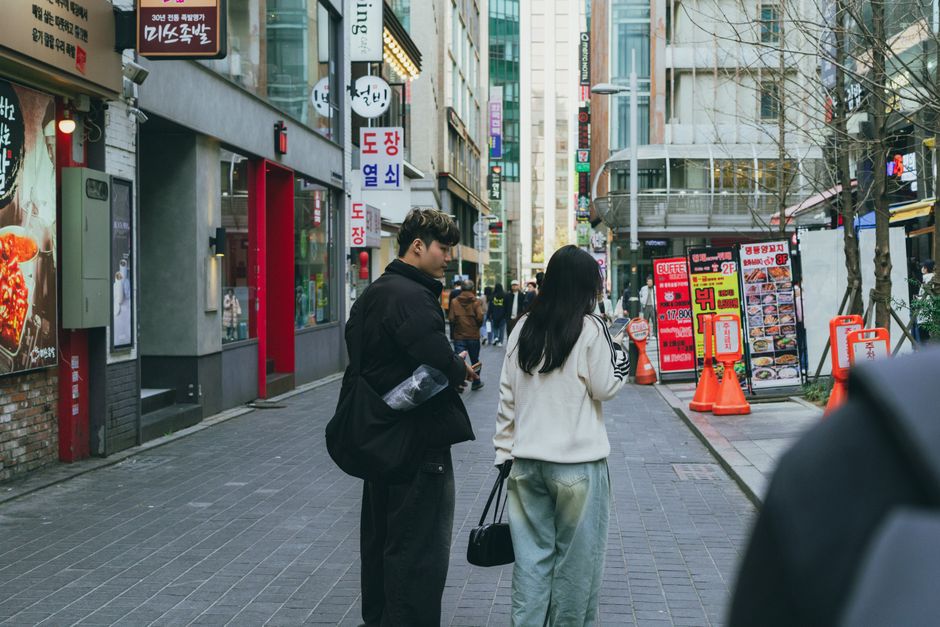
If Ikseon-dong is the polished, perfectly coiffed darling of Seoul's retro scene, then Euljiro is its delightfully scruffy, leather-jacket-wearing older sibling. This district was traditionally Seoul's printing and manufacturing hub, a place of gritty workshops, flickering neon signs for obscure hardware stores, and the constant hum of industry. For years, it was largely ignored by the guidebook crowd, a place you'd pass through rather than explore. But then, something beautiful happened. Artists, designers, and coffee connoisseurs (the holy trinity of urban gentrification, apparently) started looking at those old, utilitarian buildings, those narrow, grease-stained stairwells, and those surprisingly spacious rooftops, and they saw potential. Now, Euljiro is the reigning monarch of "industrial chic." You climb flights of stairs that look like they haven't seen a mop since the Korean War, past doors that still bear the faded signs of long-gone printing presses, only to open a door into a minimalist, surprisingly serene cafe serving single-origin pour-overs. It's a literal treasure hunt, and I, armed with my trusty (and often confused) smartphone map, felt like Indiana Jones, but with significantly less danger and a much higher chance of finding a decent flat white. The irony is not lost on me: I'm searching for "authentic" experiences in buildings that used to churn out mass-produced goods. The joy of Euljiro is in the discovery. There's a thrill in peeking into what looks like an abandoned building only to find a vibrant gallery or a speakeasy bar where the cocktails are as intricate as a blueprint. It's less about historical preservation in the traditional sense and more about repurposing, reimagining, and finding beauty in the utilitarian. My accidental discovery of a rooftop bar with unparalleled city views, nestled above what appeared to be a carburetor repair shop, felt like winning the lottery. The coffee? It was glorious. The views? Even more so. Euljiro isn't just retro; it's a testament to resilience and creativity, a place where the past isn't just preserved, but dynamically reinterpreted. It's gritty, it's real, and it's unapologetically cool. These Euljiro cafes are truly Seoul hidden gems. Just try not to get grease on your designer sneakers.
Beyond the Hashtags: Finding Your Own Slice of Seoul's Past (Without a Time Machine)
While Ikseon-dong and Euljiro are fantastic starting points for your retro pilgrimage, Seoul's charm doesn't stop where the popular Instagram hashtags end. The city is riddled with these delightful pockets of history and reinvention. Head to Chungmuro for its old cinema district vibes, where some traditional movie houses still stand as monuments to a bygone era of Korean cinema. Explore some of the lesser-known traditional markets like Mangwon Market, where the vibe feels more genuinely local and a little less curated for the tourist eye, giving you a glimpse into everyday Korean life that hasn't changed drastically in decades. Or, if you're feeling adventurous (and your legs are ready for a workout), wander through the backstreets of Jongno-3-ga, where you might stumble upon an unassuming eatery that's been serving the same bibimbap recipe for 50 years. The key to unlocking Seoul's deeper retro layers isn't just about following a map; it's about embracing the wander, the accidental turn, the curiosity to peek into a seemingly nondescript doorway. It's about letting the city surprise you, about trusting your gut (which, in my case, usually led me to delicious street food). The beauty of Seoul is that its past isn't just confined to museums or designated historical sites; it's woven into the very fabric of its present, constantly interacting, sometimes clashing, but always creating something uniquely Korean. So, next time you're in Seoul, don't just look up at the gleaming towers. Look down the side alleys, up those dodgy-looking staircases, and behind those faded signs. You might just find your own crumbly cookie, your own perfectly brewed coffee, and your own unexpected slice of history. And who knows, maybe you'll even manage to avoid walking in circles more than I did. Probably not.
Closing:
Ultimately, Seoul's retro resurgence is more than just a trend; it's a vibrant conversation between what was and what is, a playful dialogue between memory and ambition. It's a city that understands the immense power of nostalgia but refuses to be stuck in the past, constantly evolving, repurposing, and reimagining its own story. It's proof that you don't need a DeLorean or a very specific phone booth to travel through time; sometimes, all you need is a subway ticket, a good pair of walking shoes, and a willingness to get delightfully, humorously, utterly lost in the charming anachronisms of one of the world's most dynamic cities. And trust me, getting lost in Seoul's past is a journey well worth taking, even if you do end up buying a particularly fashionable (and slightly overpriced) pair of glasses from a vintage shop you stumbled upon by accident. Just me? Okay, fine.
When 'Vintage' Meant Grandma's Closet (and Now It's a Lifestyle Statement)
Let's be honest, the concept of "vintage" has had more makeovers than a K-pop idol group before a comeback. What used to be simply "old stuff" gathering dust in the back of your aunt's wardrobe is now, in Seoul, a full-blown aesthetic movement. It's not just about digging up ancient relics; it's about curating an experience, a vibe, a whole lifestyle that screams "I appreciate history, but also, this latte art is going straight onto my feed." Seoul's retro revival isn't a one-note samba; it's a symphony of eras, each played with a modern twist. You'll find everything from the delicate, traditional charm of renovated hanoks from the Joseon Dynasty to the gritty, industrial-chic appeal of 20th-century workshops repurposed into high-end cocktail bars. It's like the city collectively decided that instead of tearing down every last vestige of the past, they'd give it a fabulous extreme makeover, complete with artisanal lighting and ironically expensive snacks. This isn't just about fashion or furniture; it's about a deep dive into Korean nostalgia, a yearning for simpler times that never truly were, but sure look good in sepia tones. And I, for one, am here for it, even if it means repeatedly consulting my phone's map and still managing to walk in circles like a confused hamster. The sheer breadth of Seoul's retro appeal is what makes it so captivating; it's not just one era, but a playful mash-up of decades, all coexisting in a delightful, sometimes bewildering, urban tapestry. You might find a 1970s-style diner serving modern fusion cuisine next to a pristine 15th-century palace wall, and honestly, that's just a Tuesday in Seoul. It's a city that understands that true sophistication lies in the ability to seamlessly blend the ancient with the ultra-modern, making you question if you've stepped into a time machine or just had too much Korean rice wine. This particular brand of Seoul retro travel offers a unique lens through which to appreciate the city's multifaceted identity.
Ikseon-dong: Where History Got a Glow-Up (and My Wallet Got a Workout)
If Seoul's retro scene had a poster child, it would be Ikseon-dong Hanok Village. Picture this: a maze of traditional Korean houses, hanoks, nestled discreetly behind the bustling streets of Jongno. For decades, these were just... well, old houses. Charming, yes, but not exactly a tourist hotspot. Then, a few intrepid entrepreneurs (and likely, some very clever real estate agents) saw the potential. And boy, did they unleash it. Now, Ikseon-dong is less "quaint residential area" and more "Instagram goldmine meets artisanal paradise." Every hanok has been lovingly (and sometimes lavishly) repurposed into a trendy cafe, a boutique shop, a chic restaurant, or a bar that serves cocktails so pretty you almost feel bad drinking them. It's like walking onto a movie set where the backdrop is genuinely historic, but the props are all cutting-edge, minimalist design. The alleys here are narrow, twisting, and always, always packed with people. Navigating it feels like a friendly, albeit elbow-to-elbow, game of human Tetris. You'll catch the scent of roasting coffee mingling with the faint aroma of traditional spices, the chatter of excited tourists blending with the soft strains of a jazz soundtrack emanating from a hidden courtyard. I swear, I rounded one corner and thought I'd stumbled into a secret society dedicated to perfecting the art of the aesthetically pleasing pastry. My mission to find a quiet coffee spot quickly devolved into an archaeological dig for an empty chair. But even amidst the delightful chaos, the charm of Ikseon-dong is undeniable. It's a masterclass in urban regeneration, taking a slice of history and giving it a vibrant, contemporary pulse. Just be prepared for crowds and a slight dent in your travel budget; those photogenic lattes don't brew themselves, and neither do the incredible craft beers served in converted hanok courtyards. And yes, I did buy a crumbly cookie. It was delicious. Worth the human Tetris game? Absolutely. It's a sensory overload in the best possible way, a living, breathing testament to how Seoul embraces its past while firmly setting its sights on a stylish future. It's truly one of Seoul's unique experiences.
Euljiro's Industrial Chic: Where Grime Met Glam (and I Accidentally Found My New Favorite Coffee)
If Ikseon-dong is the polished, perfectly coiffed darling of Seoul's retro scene, then Euljiro is its delightfully scruffy, leather-jacket-wearing older sibling. This district was traditionally Seoul's printing and manufacturing hub, a place of gritty workshops, flickering neon signs for obscure hardware stores, and the constant hum of industry. For years, it was largely ignored by the guidebook crowd, a place you'd pass through rather than explore. But then, something beautiful happened. Artists, designers, and coffee connoisseurs (the holy trinity of urban gentrification, apparently) started looking at those old, utilitarian buildings, those narrow, grease-stained stairwells, and those surprisingly spacious rooftops, and they saw potential. Now, Euljiro is the reigning monarch of "industrial chic." You climb flights of stairs that look like they haven't seen a mop since the Korean War, past doors that still bear the faded signs of long-gone printing presses, only to open a door into a minimalist, surprisingly serene cafe serving single-origin pour-overs. It's a literal treasure hunt, and I, armed with my trusty (and often confused) smartphone map, felt like Indiana Jones, but with significantly less danger and a much higher chance of finding a decent flat white. The irony is not lost on me: I'm searching for "authentic" experiences in buildings that used to churn out mass-produced goods. The joy of Euljiro is in the discovery. There's a thrill in peeking into what looks like an abandoned building only to find a vibrant gallery or a speakeasy bar where the cocktails are as intricate as a blueprint. It's less about historical preservation in the traditional sense and more about repurposing, reimagining, and finding beauty in the utilitarian. My accidental discovery of a rooftop bar with unparalleled city views, nestled above what appeared to be a carburetor repair shop, felt like winning the lottery. The coffee? It was glorious. The views? Even more so. Euljiro isn't just retro; it's a testament to resilience and creativity, a place where the past isn't just preserved, but dynamically reinterpreted. It's gritty, it's real, and it's unapologetically cool. These Euljiro cafes are truly Seoul hidden gems. Just try not to get grease on your designer sneakers.
Beyond the Hashtags: Finding Your Own Slice of Seoul's Past (Without a Time Machine)
While Ikseon-dong and Euljiro are fantastic starting points for your retro pilgrimage, Seoul's charm doesn't stop where the popular Instagram hashtags end. The city is riddled with these delightful pockets of history and reinvention. Head to Chungmuro for its old cinema district vibes, where some traditional movie houses still stand as monuments to a bygone era of Korean cinema. Explore some of the lesser-known traditional markets like Mangwon Market, where the vibe feels more genuinely local and a little less curated for the tourist eye, giving you a glimpse into everyday Korean life that hasn't changed drastically in decades. Or, if you're feeling adventurous (and your legs are ready for a workout), wander through the backstreets of Jongno-3-ga, where you might stumble upon an unassuming eatery that's been serving the same bibimbap recipe for 50 years. The key to unlocking Seoul's deeper retro layers isn't just about following a map; it's about embracing the wander, the accidental turn, the curiosity to peek into a seemingly nondescript doorway. It's about letting the city surprise you, about trusting your gut (which, in my case, usually led me to delicious street food). The beauty of Seoul is that its past isn't just confined to museums or designated historical sites; it's woven into the very fabric of its present, constantly interacting, sometimes clashing, but always creating something uniquely Korean. So, next time you're in Seoul, don't just look up at the gleaming towers. Look down the side alleys, up those dodgy-looking staircases, and behind those faded signs. You might just find your own crumbly cookie, your own perfectly brewed coffee, and your own unexpected slice of history. And who knows, maybe you'll even manage to avoid walking in circles more than I did. Probably not.
Closing:
Ultimately, Seoul's retro resurgence is more than just a trend; it's a vibrant conversation between what was and what is, a playful dialogue between memory and ambition. It's a city that understands the immense power of nostalgia but refuses to be stuck in the past, constantly evolving, repurposing, and reimagining its own story. It's proof that you don't need a DeLorean or a very specific phone booth to travel through time; sometimes, all you need is a subway ticket, a good pair of walking shoes, and a willingness to get delightfully, humorously, utterly lost in the charming anachronisms of one of the world's most dynamic cities. And trust me, getting lost in Seoul's past is a journey well worth taking, even if you do end up buying a particularly fashionable (and slightly overpriced) pair of glasses from a vintage shop you stumbled upon by accident. Just me? Okay, fine.


Comments
Post a Comment