Swing for the Fences (and Your Sanity): A Traveler's Guide to Korea's KBO Baseball Extravaganza
Let's be honest, you probably didn't pack your passport with "experience professional baseball in a way that feels simultaneously like a rock concert, a spiritual revival, and a particularly intense family picnic" on your to-do list for South Korea. Maybe you came for the ancient palaces, the futuristic skylines, or perhaps, like me, you simply followed the scent of really good fried chicken. But trust me on this, dear traveler, overlooking a KBO (Korean Baseball Organization) game is like going to Rome and skipping the Colosseum because you prefer your ruins less... enthusiastic. You'd be missing out on an absolute riot, a cultural phenomenon that will make you rethink everything you thought you knew about cheering, snack consumption, and the human capacity for unadulterated joy. Prepare yourself, because KBO baseball isn't just a game; it's a full-body, mind-altering experience, and I'm here to guide you through it before you accidentally join the opposing team's chant. It's happened to the best of us. Or, well, just me.
Baseball first arrived on the Korean Peninsula courtesy of American missionaries in the early 20th century, probably a bit confused by the concept of "batting order" when they were expecting more meditative practices. Yet, it took root with the tenacity of a kimchi stain, growing into the beloved national pastime it is today, with the KBO league officially kicking off in 1982. This isn't just a sport; it's woven into the very fabric of Korean identity, a communal expression of passion that transcends age, gender, and even, sometimes, basic understanding of the rules. (Again, speaking from experience here.) For a traveler, attending a KBO game offers a unique lens into Korean society, a place where collective energy is not just welcomed but actively celebrated. You'll find yourself swept up in a wave of coordinated cheers, light sticks waving like a fluorescent ocean, and a level of fan engagement that makes a typical Western sports crowd look like they're politely waiting for the bus.
Entering the KBO Arena: It's Not Just a Stadium, It's a Party
First things first: getting your KBO game tickets. While some smaller stadiums might offer walk-up options, for popular teams and weekend games, especially in major cities like Seoul or Busan, pre-booking online is your best bet. Think of it as securing your spot at the greatest outdoor barbecue concert you never knew you needed. Websites like Ticketlink (they usually have an English option, bless their tech-savvy hearts) are your friend. Choose your seat wisely. Are you a purist, wanting to watch the game unfold like a tactical chess match? Or do you crave the vibrant chaos of the cheering sections behind home plate or down the first/third base lines? If you pick the latter, prepare to lose your voice, your dignity, and possibly a small piece of your soul to the relentless, joyous noise. But in the best way possible, I promise.
Once inside, the sheer spectacle hits you like a fastball to the gut (metaphorically, hopefully). Forget stale hot dogs and overpriced fizzy drinks. Korean baseball stadiums are a gastronomic wonderland. Your culinary mission, should you choose to accept it, is simple: fried chicken and beer. It's not just a snack; it's a sacred ritual, often referred to as "chimaek" (chicken + maekju/beer). Vendors roam the aisles, but many fans order delivery straight to their seats from outside restaurants or bring in their own elaborate picnic spreads. Yes, you read that right. You can show up with a full multi-course meal, a blanket, and enough enthusiasm to power a small village. I once saw a family with a portable grill, which I'm fairly certain was illegal but also deeply admired. This isn't just spectating; it's a lifestyle.
The Atmosphere: From Cheers to Tears (of Laughter)
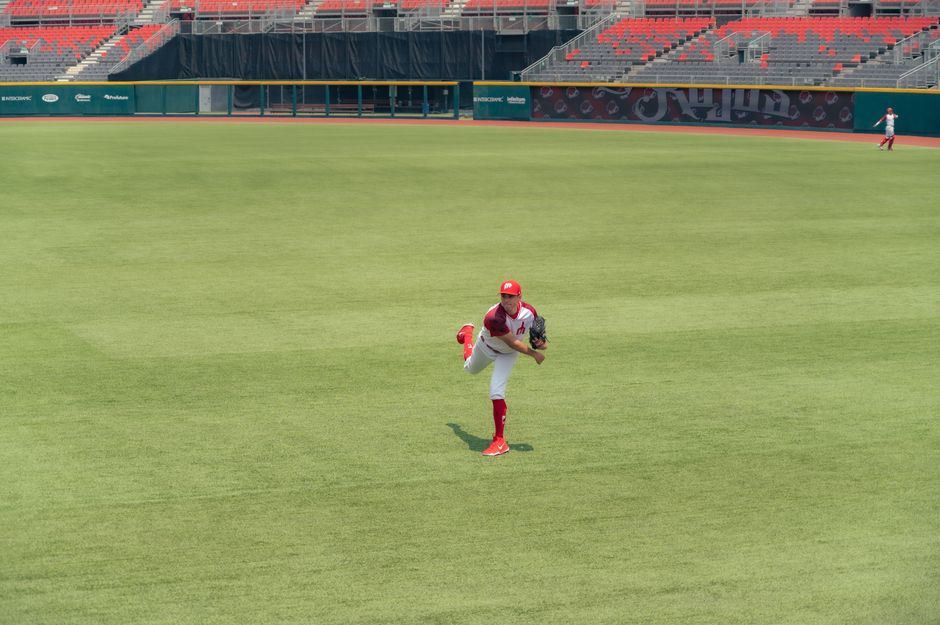

Now, let's talk about the main event: the atmosphere. This is where KBO truly shines. Each team has its own cheerleaders, a full brass band, and a dedicated "cheer leader" (a highly energetic MC-type figure, often an ex-idol or comedian) who orchestrates the crowd. Forget polite applause; this is a full-throttle, non-stop, synchronized cheering extravaganza. Every player has their own unique song, a catchy jingle that the entire stadium belts out when they come to bat. You'll find yourself inadvertently humming these tunes for days afterward, much to the confusion of your travel companions who didn't join you on this epic journey.
And the fans! Oh, the fans. They bring giant inflatable thundersticks, light sticks, banners, and an almost alarming level of coordinated energy. They'll dance, they'll chant, they'll sing, and they'll do it all with an infectious passion that makes it impossible not to join in. Don't be shy. If you find yourself in the cheering section, embrace it. Flail your arms. Attempt to sing along even if your pronunciation is creating entirely new, potentially offensive, words. No one will judge you; they'll simply be delighted by your participation. I, for one, quickly discovered that my inherent lack of rhythm was no impediment to shouting loudly and waving my inflatable tube like I was signaling a distant ship. It was liberating.
Beyond the Roar: Unpacking the KBO Experience
Beyond the immediate sensory overload, KBO games offer fascinating glimpses into deeper Korean cultural aspects. The emphasis on collective effort, the passionate loyalty to one's team (often extending generationally), and the sheer resilience on display mirror broader societal values. Historic teams like the Lotte Giants, with their famously passionate Busan fanbase at Sajik Baseball Stadium, or the Seoul-based Doosan Bears and LG Twins (who share Jamsil Baseball Stadium in a rather intense rivalry), have legions of followers whose devotion borders on the religious. These aren't just teams; they're community pillars.
A trip to a KBO game also offers a refreshing dose of nostalgia. While the league itself has modern amenities and cutting-edge technology, there's an underlying charm that harks back to simpler times. It's a reminder of when sports were purely about the joy of the game, the shared experience, and the simple pleasure of shouting yourself hoarse for your chosen champions. It's raw, it's authentic, and it's utterly compelling. My most enduring memory isn't of a game-winning home run (though there were many), but of an elderly woman next to me, meticulously unwrapping a homemade kimbap roll, then suddenly leaping to her feet, waving her team's flag and roaring with the energy of a teenager. It was a beautiful, absurd moment of pure human connection.
So, when you're planning your South Korea itinerary, make sure to carve out an evening for KBO baseball. It's more than just watching a game; it's an immersive cultural experience, a masterclass in collective joy, and a truly unforgettable memory waiting to be made. You'll leave with a sore throat, possibly sticky fingers from too much fried chicken, and a newfound appreciation for organized chaos. And who knows, you might even find yourself inexplicably humming a player's walk-up song three weeks later, wondering if you should start following the league from halfway across the world. Don't worry, it's a perfectly normal side effect. Just embrace the madness. After all, life's too short for boring travel. Go catch a game, you magnificent adventurer.
Baseball first arrived on the Korean Peninsula courtesy of American missionaries in the early 20th century, probably a bit confused by the concept of "batting order" when they were expecting more meditative practices. Yet, it took root with the tenacity of a kimchi stain, growing into the beloved national pastime it is today, with the KBO league officially kicking off in 1982. This isn't just a sport; it's woven into the very fabric of Korean identity, a communal expression of passion that transcends age, gender, and even, sometimes, basic understanding of the rules. (Again, speaking from experience here.) For a traveler, attending a KBO game offers a unique lens into Korean society, a place where collective energy is not just welcomed but actively celebrated. You'll find yourself swept up in a wave of coordinated cheers, light sticks waving like a fluorescent ocean, and a level of fan engagement that makes a typical Western sports crowd look like they're politely waiting for the bus.
Entering the KBO Arena: It's Not Just a Stadium, It's a Party
First things first: getting your KBO game tickets. While some smaller stadiums might offer walk-up options, for popular teams and weekend games, especially in major cities like Seoul or Busan, pre-booking online is your best bet. Think of it as securing your spot at the greatest outdoor barbecue concert you never knew you needed. Websites like Ticketlink (they usually have an English option, bless their tech-savvy hearts) are your friend. Choose your seat wisely. Are you a purist, wanting to watch the game unfold like a tactical chess match? Or do you crave the vibrant chaos of the cheering sections behind home plate or down the first/third base lines? If you pick the latter, prepare to lose your voice, your dignity, and possibly a small piece of your soul to the relentless, joyous noise. But in the best way possible, I promise.
Once inside, the sheer spectacle hits you like a fastball to the gut (metaphorically, hopefully). Forget stale hot dogs and overpriced fizzy drinks. Korean baseball stadiums are a gastronomic wonderland. Your culinary mission, should you choose to accept it, is simple: fried chicken and beer. It's not just a snack; it's a sacred ritual, often referred to as "chimaek" (chicken + maekju/beer). Vendors roam the aisles, but many fans order delivery straight to their seats from outside restaurants or bring in their own elaborate picnic spreads. Yes, you read that right. You can show up with a full multi-course meal, a blanket, and enough enthusiasm to power a small village. I once saw a family with a portable grill, which I'm fairly certain was illegal but also deeply admired. This isn't just spectating; it's a lifestyle.
The Atmosphere: From Cheers to Tears (of Laughter)
Now, let's talk about the main event: the atmosphere. This is where KBO truly shines. Each team has its own cheerleaders, a full brass band, and a dedicated "cheer leader" (a highly energetic MC-type figure, often an ex-idol or comedian) who orchestrates the crowd. Forget polite applause; this is a full-throttle, non-stop, synchronized cheering extravaganza. Every player has their own unique song, a catchy jingle that the entire stadium belts out when they come to bat. You'll find yourself inadvertently humming these tunes for days afterward, much to the confusion of your travel companions who didn't join you on this epic journey.
And the fans! Oh, the fans. They bring giant inflatable thundersticks, light sticks, banners, and an almost alarming level of coordinated energy. They'll dance, they'll chant, they'll sing, and they'll do it all with an infectious passion that makes it impossible not to join in. Don't be shy. If you find yourself in the cheering section, embrace it. Flail your arms. Attempt to sing along even if your pronunciation is creating entirely new, potentially offensive, words. No one will judge you; they'll simply be delighted by your participation. I, for one, quickly discovered that my inherent lack of rhythm was no impediment to shouting loudly and waving my inflatable tube like I was signaling a distant ship. It was liberating.
Beyond the Roar: Unpacking the KBO Experience
Beyond the immediate sensory overload, KBO games offer fascinating glimpses into deeper Korean cultural aspects. The emphasis on collective effort, the passionate loyalty to one's team (often extending generationally), and the sheer resilience on display mirror broader societal values. Historic teams like the Lotte Giants, with their famously passionate Busan fanbase at Sajik Baseball Stadium, or the Seoul-based Doosan Bears and LG Twins (who share Jamsil Baseball Stadium in a rather intense rivalry), have legions of followers whose devotion borders on the religious. These aren't just teams; they're community pillars.
A trip to a KBO game also offers a refreshing dose of nostalgia. While the league itself has modern amenities and cutting-edge technology, there's an underlying charm that harks back to simpler times. It's a reminder of when sports were purely about the joy of the game, the shared experience, and the simple pleasure of shouting yourself hoarse for your chosen champions. It's raw, it's authentic, and it's utterly compelling. My most enduring memory isn't of a game-winning home run (though there were many), but of an elderly woman next to me, meticulously unwrapping a homemade kimbap roll, then suddenly leaping to her feet, waving her team's flag and roaring with the energy of a teenager. It was a beautiful, absurd moment of pure human connection.
So, when you're planning your South Korea itinerary, make sure to carve out an evening for KBO baseball. It's more than just watching a game; it's an immersive cultural experience, a masterclass in collective joy, and a truly unforgettable memory waiting to be made. You'll leave with a sore throat, possibly sticky fingers from too much fried chicken, and a newfound appreciation for organized chaos. And who knows, you might even find yourself inexplicably humming a player's walk-up song three weeks later, wondering if you should start following the league from halfway across the world. Don't worry, it's a perfectly normal side effect. Just embrace the madness. After all, life's too short for boring travel. Go catch a game, you magnificent adventurer.


Comments
Post a Comment