Trekking the Unthinkable: My Hilarious (and Deeply Moving) Stumble Along Gangwon-do's DMZ Trails
Alright, buckle up buttercups, because today we're talking about a travel experience that's less "sip a latte on a picturesque beach" and more "contemplate the fragility of peace while trying not to trip over your own feet." We're heading to Gangwon-do, specifically to its DMZ trails. Yes, that DMZ. The one that's technically still at war. Because who needs a relaxing vacation when you can have an existential trek with a side of geopolitical tension, right?
Here's the thing, most people hear "Demilitarized Zone" and picture barbed wire, stern-faced soldiers, and maybe a North Korean propaganda village in the distance. And to be fair, you wouldn't be entirely wrong. But here in Gangwon-do, this fascinating, tragic strip of land has also become home to some seriously unique hiking trails. As of my last glorious misadventure there in late 2023, these "DMZ Peace Trails" offer an adventure that's equal parts breathtaking natural beauty, intense historical significance, and a deeply unsettling reminder of humanity's enduring capacity for both conflict and resilience. It's like going to a museum, but the museum is also a forest, and you might accidentally wander into a forgotten landmine if you don't follow the rules. Just kidding! Mostly.
My first foray into this particular brand of adventure travel felt less like a carefully planned expedition and more like a happy accident. I'd seen pictures of the stunning coastal scenery in Goseong, a county in Gangwon-do, and thought, "Oh, a nice seaside stroll, how quaint!" My travel agent (read: me, after a few too many instant coffee packets and an hour on Google Maps) then informed me that Goseong also happens to be home to one of the famed DMZ Peace Trails. I, ever the optimist (and apparently, easily distracted by pretty views), figured, "Why not? A little history never hurt anyone." Famous last words.
The Goseong Unification Observatory Trail, for instance, isn't your grandma's gentle ramble. You sign up, you get thoroughly briefed (and mildly intimidated) by the local authorities, and then you're off, often in a convoy, escorted by people who look like they mean business. My initial thought, as we were driven past imposing checkpoints, was, "Well, this is certainly different from the last time I tried to find a Starbucks." The air itself feels... different. Thicker, maybe. Or maybe that was just my anxiety manifesting as humidity.
The trails themselves are meticulously maintained, carved through landscapes that have remained virtually untouched by human development for decades due precisely to their proximity to the border. Think lush forests, incredibly diverse wildlife (I swear a badger gave me a judgmental look once), and coastline views that will make you question every life choice you've ever made that didn't involve moving to Gangwon-do and becoming a hermit. In the 1950s, this entire area was a battlefield, a brutal theatre of war. Now, it's a de facto nature reserve, a poignant testament to how nature reclaims even the most scarred landscapes. It's both beautiful and utterly heartbreaking when you think about it. Which, trust me, you will. A lot.
Walking the Line: My Moment of Zen (and Panic)
I remember one particular moment, trudging along the Coastal Trail in Goseong, the East Sea stretching out like an infinite blue blanket to my right. The sun was doing its best to be dramatic, casting golden rays that made everything look incredibly serene. Then I looked left, past the meticulously cleared path, and saw a rusty, faded sign in Korean and English: "WARNING: MINES." My heart did a little jiggle that felt less like joy and more like an internal defibrillator. I honestly nearly did a full-on cartoon triple-take. For a second, I imagined myself inadvertently becoming the inspiration for a very dark Korean folk song about an clumsy foreigner.
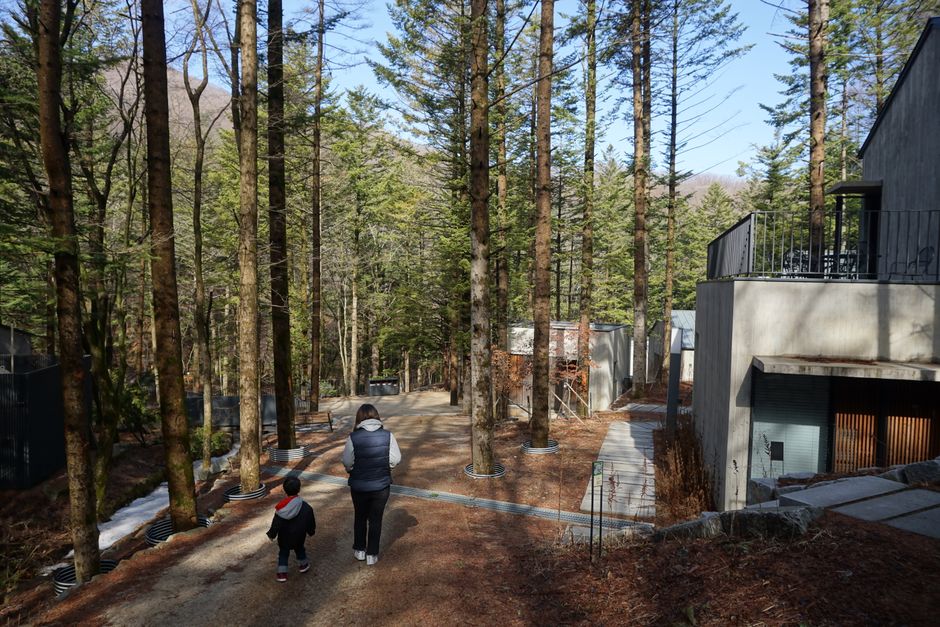
Our guide, a wonderfully stoic gentleman who looked like he could wrestle a bear and win (and probably had, given the local wildlife), just gestured casually with his hiking stick and said, "Stay on path." Well, obviously, sir! I was already glued to the center of the path like it was coated in superglue and I'd just had a full-body waxing. This wasn't some gentle reminder; it was a firm, "Don't be an idiot and wander off because you're in a heavily fortified zone that also happens to be stunningly beautiful." It's an odd dichotomy, isn't it? The sheer beauty juxtaposed with the stark, deadly reality. This is the very essence of DMZ travel, a unique adventure that forces you to confront history in the most visceral way.
Beyond Goseong: Other DMZ Adventures
While Goseong offers that stunning coastal vista, other areas in Gangwon-do offer equally compelling, albeit different, experiences. For instance, Cheorwon County's DMZ Peace Trails take you through remnants of the Korean War, including the Iron Triangle battlefield and the 2nd Incursion Tunnel. The tunnel, discovered in 1975, was dug by North Korea as a potential invasion route. Walking through it, ducking your head (unless you're vertically challenged, in which case, enjoy the extra headroom), is a chilling reminder of the constant vigilance required here. As of 2024, these tunnels remain stark, dark, and damp. They haven't been 'modernized' with mood lighting or gift shops, and frankly, that raw authenticity is part of their power.
Then there's Hwacheon County, with its own DMZ Peace Trail that weaves through forests and along rivers, again offering a blend of natural wonder and historical weight. Each trail offers a slightly different perspective on the DMZ, but all share that same peculiar energy: a place of peace built on the very precipice of conflict. You'll see propaganda signs, sometimes dating back to the 1990s, oddly faded by the elements, and then turn a corner to spot a family of deer grazing serenely. It's a sensory overload for the intellectually curious.
Why This Unique Adventure Travel is a Must-Do
Look, I know what you're thinking: "Do I really want my vacation to involve contemplating the horrors of war and the complexities of international relations?" And honestly, a part of me agrees with you. My ideal vacation usually involves maximum relaxation and minimum heavy thinking. But the Gangwon-do DMZ trails are different. They offer an adventure travel experience that transcends mere tourism. It's a chance to engage with a profound piece of history, to witness the quiet resilience of nature, and to feel, truly feel, the weight of the Korean division.
You'll walk along paths that were once trenches, stand at observation points where you can literally gaze into North Korea, and visit monuments dedicated to peace and reunification. It's a humbling experience that puts your own minor travel woes into stark perspective. My moment of panic about the 'mines' sign quickly turned into a profound appreciation for the guides, the soldiers, and the ongoing efforts to maintain peace in this fragile corner of the world. It also made me incredibly careful about where I put my feet for the rest of the day. Lesson learned: always listen to the stoic bear-wrestling guide.
This isn't just a hike; it's a living history lesson, a vibrant nature walk, and a sobering geopolitical education rolled into one. It's a chance to connect with South Korea's past and present in a way that very few other experiences can offer. If you're looking for a travel experience that will stick with you long after the tan fades and the souvenir fridge magnets are forgotten, then pack your sensible shoes and an open mind. Gangwon-do's DMZ trails are waiting to challenge, inspire, and perhaps even mildly terrify you in the best possible way. Just make sure to stay on the path. Seriously.
Here's the thing, most people hear "Demilitarized Zone" and picture barbed wire, stern-faced soldiers, and maybe a North Korean propaganda village in the distance. And to be fair, you wouldn't be entirely wrong. But here in Gangwon-do, this fascinating, tragic strip of land has also become home to some seriously unique hiking trails. As of my last glorious misadventure there in late 2023, these "DMZ Peace Trails" offer an adventure that's equal parts breathtaking natural beauty, intense historical significance, and a deeply unsettling reminder of humanity's enduring capacity for both conflict and resilience. It's like going to a museum, but the museum is also a forest, and you might accidentally wander into a forgotten landmine if you don't follow the rules. Just kidding! Mostly.
My first foray into this particular brand of adventure travel felt less like a carefully planned expedition and more like a happy accident. I'd seen pictures of the stunning coastal scenery in Goseong, a county in Gangwon-do, and thought, "Oh, a nice seaside stroll, how quaint!" My travel agent (read: me, after a few too many instant coffee packets and an hour on Google Maps) then informed me that Goseong also happens to be home to one of the famed DMZ Peace Trails. I, ever the optimist (and apparently, easily distracted by pretty views), figured, "Why not? A little history never hurt anyone." Famous last words.
The Goseong Unification Observatory Trail, for instance, isn't your grandma's gentle ramble. You sign up, you get thoroughly briefed (and mildly intimidated) by the local authorities, and then you're off, often in a convoy, escorted by people who look like they mean business. My initial thought, as we were driven past imposing checkpoints, was, "Well, this is certainly different from the last time I tried to find a Starbucks." The air itself feels... different. Thicker, maybe. Or maybe that was just my anxiety manifesting as humidity.
The trails themselves are meticulously maintained, carved through landscapes that have remained virtually untouched by human development for decades due precisely to their proximity to the border. Think lush forests, incredibly diverse wildlife (I swear a badger gave me a judgmental look once), and coastline views that will make you question every life choice you've ever made that didn't involve moving to Gangwon-do and becoming a hermit. In the 1950s, this entire area was a battlefield, a brutal theatre of war. Now, it's a de facto nature reserve, a poignant testament to how nature reclaims even the most scarred landscapes. It's both beautiful and utterly heartbreaking when you think about it. Which, trust me, you will. A lot.
Walking the Line: My Moment of Zen (and Panic)
I remember one particular moment, trudging along the Coastal Trail in Goseong, the East Sea stretching out like an infinite blue blanket to my right. The sun was doing its best to be dramatic, casting golden rays that made everything look incredibly serene. Then I looked left, past the meticulously cleared path, and saw a rusty, faded sign in Korean and English: "WARNING: MINES." My heart did a little jiggle that felt less like joy and more like an internal defibrillator. I honestly nearly did a full-on cartoon triple-take. For a second, I imagined myself inadvertently becoming the inspiration for a very dark Korean folk song about an clumsy foreigner.
Our guide, a wonderfully stoic gentleman who looked like he could wrestle a bear and win (and probably had, given the local wildlife), just gestured casually with his hiking stick and said, "Stay on path." Well, obviously, sir! I was already glued to the center of the path like it was coated in superglue and I'd just had a full-body waxing. This wasn't some gentle reminder; it was a firm, "Don't be an idiot and wander off because you're in a heavily fortified zone that also happens to be stunningly beautiful." It's an odd dichotomy, isn't it? The sheer beauty juxtaposed with the stark, deadly reality. This is the very essence of DMZ travel, a unique adventure that forces you to confront history in the most visceral way.
Beyond Goseong: Other DMZ Adventures
While Goseong offers that stunning coastal vista, other areas in Gangwon-do offer equally compelling, albeit different, experiences. For instance, Cheorwon County's DMZ Peace Trails take you through remnants of the Korean War, including the Iron Triangle battlefield and the 2nd Incursion Tunnel. The tunnel, discovered in 1975, was dug by North Korea as a potential invasion route. Walking through it, ducking your head (unless you're vertically challenged, in which case, enjoy the extra headroom), is a chilling reminder of the constant vigilance required here. As of 2024, these tunnels remain stark, dark, and damp. They haven't been 'modernized' with mood lighting or gift shops, and frankly, that raw authenticity is part of their power.
Then there's Hwacheon County, with its own DMZ Peace Trail that weaves through forests and along rivers, again offering a blend of natural wonder and historical weight. Each trail offers a slightly different perspective on the DMZ, but all share that same peculiar energy: a place of peace built on the very precipice of conflict. You'll see propaganda signs, sometimes dating back to the 1990s, oddly faded by the elements, and then turn a corner to spot a family of deer grazing serenely. It's a sensory overload for the intellectually curious.
Why This Unique Adventure Travel is a Must-Do
Look, I know what you're thinking: "Do I really want my vacation to involve contemplating the horrors of war and the complexities of international relations?" And honestly, a part of me agrees with you. My ideal vacation usually involves maximum relaxation and minimum heavy thinking. But the Gangwon-do DMZ trails are different. They offer an adventure travel experience that transcends mere tourism. It's a chance to engage with a profound piece of history, to witness the quiet resilience of nature, and to feel, truly feel, the weight of the Korean division.
You'll walk along paths that were once trenches, stand at observation points where you can literally gaze into North Korea, and visit monuments dedicated to peace and reunification. It's a humbling experience that puts your own minor travel woes into stark perspective. My moment of panic about the 'mines' sign quickly turned into a profound appreciation for the guides, the soldiers, and the ongoing efforts to maintain peace in this fragile corner of the world. It also made me incredibly careful about where I put my feet for the rest of the day. Lesson learned: always listen to the stoic bear-wrestling guide.
This isn't just a hike; it's a living history lesson, a vibrant nature walk, and a sobering geopolitical education rolled into one. It's a chance to connect with South Korea's past and present in a way that very few other experiences can offer. If you're looking for a travel experience that will stick with you long after the tan fades and the souvenir fridge magnets are forgotten, then pack your sensible shoes and an open mind. Gangwon-do's DMZ trails are waiting to challenge, inspire, and perhaps even mildly terrify you in the best possible way. Just make sure to stay on the path. Seriously.


Comments
Post a Comment